Pepaw’s simple rules make stocking up efficient, affordable, and waste-free. He loves a well-stocked pantry, but learning how to stock up without overspending keeps savings from backfiring. Buying in bulk isn’t about filling shelves; it’s about filling them smartly.
When you understand timing, pricing, and what your household actually uses, you can save a ton of money without ending up with a freezer full of forgotten food.
Start With What You Actually Use Every Week
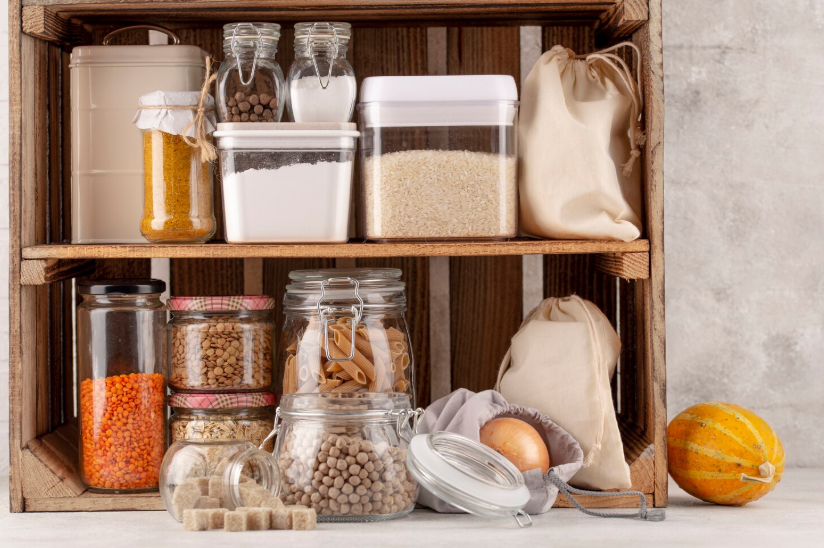
Pepaw doesn’t stock up on random deals. He begins by identifying the items his household uses frequently. Staples include rice, beans, pasta, canned tomatoes, broth, peanut butter, bread, eggs, and frozen vegetables. These staples are eaten regularly, so buying extra never leads to waste.
He keeps a running list on the fridge of foods that disappear fastest, using that to build a focused stock-up plan. This keeps him from buying things “just because they’re on sale” and instead ensures every purchase serves a real purpose.
Pepaw says, “If you don’t use it weekly, don’t buy it deeply.”
Explore Pepaw’s $20 Pantry Staples for Meals That Last All Week to focus stock-ups on the right foods.
Know the Sales Cycles and Strike at the Right Time
Grocery stores run predictable sales cycles, usually every four to six weeks. Pepaw watches for the lowest prices on pantry staples, meat, toiletries, and cleaning supplies. When an item hits a genuine low, that’s when he buys enough to last until the next cycle.
He avoids stocking up at the regular price. Instead, he waits for buy-one-get-one deals, digital coupons, or bulk discounts. A little patience stretches your dollar much further, especially for items with long shelf lives, such as canned goods and pasta.
Once you understand your store’s rhythm, you’ll rarely pay full price again.
See Pepaw’s Take on Couponing for Beginners to stack coupons with sale cycles when you stock up.
Use Unit Pricing to Avoid “Fake Deals”
Pepaw never gets fooled by big bold sale tags. He checks unit pricing, the real cost per ounce, pound, or count, to find the genuine bargain. Sometimes the “sale” size is more expensive per unit than the regular one. Sometimes two smaller packages are cheaper than one large container.
He teaches that stockpiling is only smart when the unit price drops low enough to justify buying extra. Otherwise, it’s just marketing dressed as savings.
Unit pricing keeps you honest and keeps stores from tricking you into overspending.
Read Pepaw’s Way of Planning a Budget You’ll Actually Stick To to balance stockpiling with monthly spending.
Avoid Stocking Up on Perishables (Most of the Time)
Not everything is meant for long-term storage. Pepaw avoids bulk buying fresh produce, dairy, and bread unless he has a plan to use or freeze them within a short period. Stocking too many perishables is one of the easiest ways to waste money.
Instead, he prioritizes frozen and shelf-stable foods when building his reserves. Frozen vegetables, meat, bread, and shredded cheese freeze beautifully and stretch your grocery budget without risk. If fresh items go on sale, Pepaw buys modest amounts unless he knows they’ll get eaten quickly.
Food that spoils isn’t a bargain; it’s a bill.
To use stockpiled staples in easy meals, check out Pepaw’s Slow-Cooker Suppers That Save You Money.
Create a Simple Rotation System to Prevent Waste
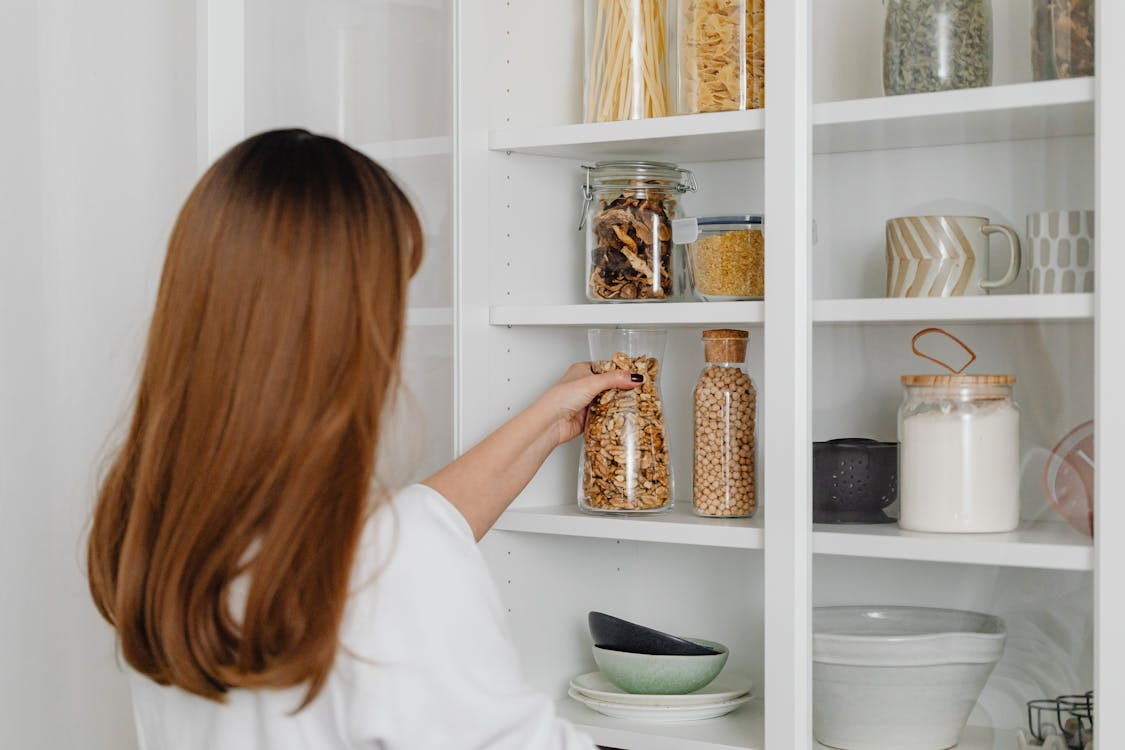
Pepaw’s shelves are arranged with new items in the back and older items in the front. This “first in, first out” rotation keeps food from expiring unnoticed. He marks cans and boxes with the purchase date so he always knows what to use first.
He also keeps an eye on the freezer by creating a short list of what’s inside and sticking it on the door. This prevents good food from getting forgotten behind stacks of containers.
When your storage is organized, nothing gets lost, and nothing gets bought twice by mistake.
Start Small and Avoid the “Overflow Trap”
Pepaw doesn’t believe in buying a year’s worth of anything. Stocking up is meant to save money on groceries, not overwhelm your pantry or wallet. He recommends starting with a two- to four-week cushion of essentials, then slowly building to a comfortable three-month supply if space allows.
He also advises against stocking up so heavily that items get stored in places such as random closets, under beds, or in the garage, where food quality can suffer. Controlled, intentional stockpiling saves money; chaotic over-buying wastes it.